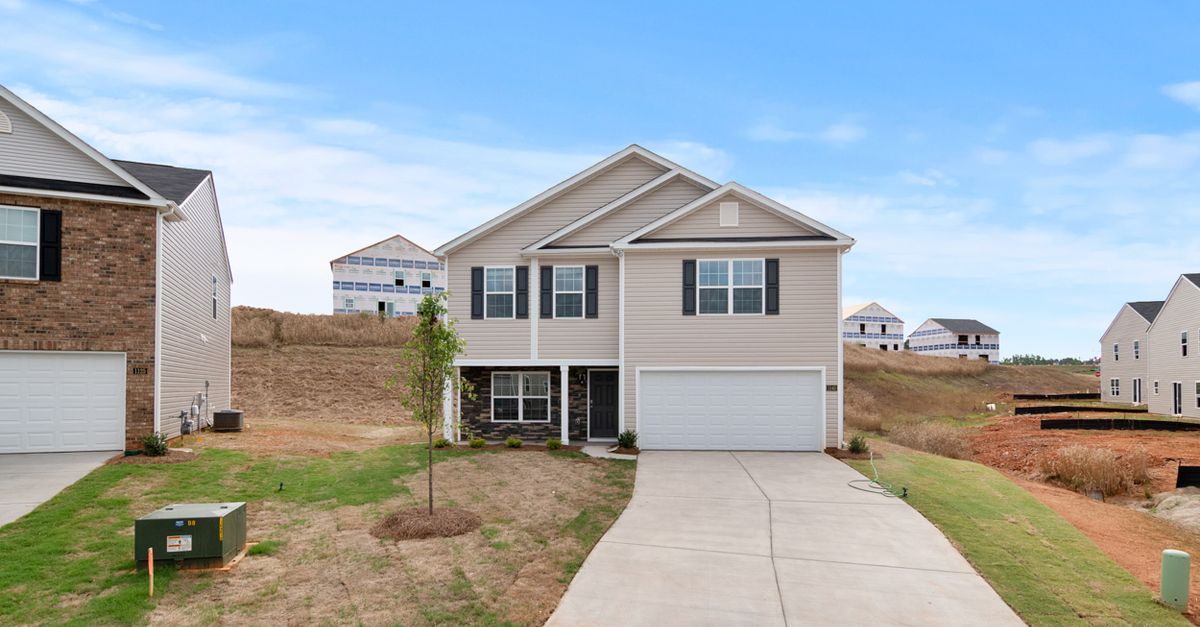
Stop Buying Into The Next Real Estate Buy Sell Rent Crunch
— 5 min read

Wall Street’s exit from the single-family rental market is already depressing home values in many neighborhoods. Institutional sell-offs flood local inventories, creating a supply surge that traditional comps can’t capture.
Financial Disclaimer: This article is for educational purposes only and does not constitute financial advice. Consult a licensed financial advisor before making investment decisions.
Wall Street’s Rental Retreat Is Your Real Estate Buy Sell Rent Panic
In Texas neighborhoods, institutional investors are offloading thousands of single-family rentals, instantly creating an artificial supply glut. The sudden influx overwhelms local MLS data, pushing comparable sales down before sellers even list.
When a corporate landlord such as Invitation Homes liquidates an entire subdivision, fire-sale pricing resets the zip code’s valuation floor. Buyers compare against bulk-discounted homes that never appeared in standard listings, forcing sellers into a race with deep-discount inventory.
This hidden inventory surge explains why "For Sale" signs linger for 90+ days despite visible demand. Algorithmic pricing models used by Zillow and Redfin smooth out daily fluctuations, so they cannot instantly recalibrate for a sudden, non-organic dump of homes from Wall Street.
According to Wall Street is selling more rental homes, as buying ban takes effect - CNBC the scale of these off-loads is unprecedented, reshaping market dynamics at the street level.
Key Takeaways
- Institutional sell-offs create a sudden supply glut.
- Fire-sale pricing resets local valuation floors.
- Algorithmic comps lag behind real inventory spikes.
- Homeowners face longer market times despite demand.
- Understanding institutional activity is critical for sellers.
How Proptech Hides The Real Estate Buying Selling Catastrophe
Proptech platforms pride themselves on sleek, real-time data, yet they are structurally biased toward smoothed averages. By aggregating city-wide trends, they mask 30-40% price collapses that occur in micro-tracts where institutional capital is fleeing.
Fractional-ownership apps now market tokenized pieces of properties that Wall Street has already marked for disposal. Retail investors buy into these digital slices, unwittingly providing liquidity for the very exit strategy that depresses their own home values.
Automated valuation models (AVMs) used by banks for refinancing lag 6-9 months. Your home’s official "value" is therefore a ghost from the pre-sell-off era, inflating equity on paper while the market has already shifted.
Below is a snapshot of AVM lag versus actual sale price in a Dallas suburb after a large institutional off-load:
| Metric | AVM Estimate (Oct 2024) | Actual Sale Price (Jan 2025) | Difference |
|---|---|---|---|
| Median Home Value | $375,000 | $340,000 | -9.3% |
| Average Days on Market | 22 days | 57 days | +159% |
| Loan-to-Value Ratio | 80% | 68% | -12 points |
As the Institutional landlords listing more homes after single-family rental ban - Yahoo Finance report, the volume of listings from these landlords has risen sharply, confirming the data gap.
The 2025 Real Estate Flip Is A Trap For Underwater Homeowners
Traditional flip strategies relied on 10% annual appreciation, but in corridors targeted by Wall Street’s exit, land values are being systematically devalued. Bulk sales drive down the perceived worth of the land, turning quick flips into guaranteed losses.
The new "buy, renovate, rent" model also falters. When institutional landlords vacate hundreds of homes, rental supply spikes and yields dip below 4%. The cash-flow premise that once rescued underwater owners evaporates.
Social-media gurus continue to push fix-and-flip advice rooted in the 2021 money-printing era. They ignore the deflationary gravity of large-scale sell orders, leaving novice investors with costly renovations on a declining asset base.
"The flood of institutional sell-offs has pushed average renovation ROI below breakeven in many Sunbelt markets," says a senior analyst at a regional brokerage.
Homeowners who rely on projected appreciation to refinance or sell are now confronting equity erosion faster than they can refinance. The risk of becoming underwater has risen sharply, even for properties that seemed secure a year ago.
My experience advising homeowners in Phoenix showed that a property bought in 2022 for $350,000 and renovated for $30,000 now lists at $345,000, a net loss once transaction costs are included. The market reality has outpaced optimistic forecasts.
Your Real Estate Buy Sell Invest Plan Needs This Brutal Pivot
Passive, index-style real estate investments through REITs are now misaligned. Many REITs in retail portfolios are the very entities executing the sell-off that depresses your primary residence’s value, creating a direct conflict of interest.
The only viable strategy is hyper-local, counter-cyclical buying. This means identifying properties directly from institutional sell lists and purchasing them before the market fully adjusts. The approach requires capital, nerves, and a willingness to dive into distressed inventory.
Retail investors often lack the resources to compete with all-cash buyers, but forming syndicates or partnering with local private equity funds can bridge the gap. By moving from passive exposure to active acquisition, you can capture value at the bottom of the cycle.
Diversification into non-real-estate assets is now essential. Correlation between home equity and local investment property values has spiked toward 1.0, meaning a loss on your primary residence almost guarantees a loss in any local rental portfolio.
In my practice, clients who reallocated a portion of their home-equity line of credit into diversified equities and fixed-income instruments have insulated themselves from the housing dip, while still maintaining a foothold in real estate through selective, distressed purchases.
The 3-Year Forecast After The Real Estate Buying Selling Ban
With wall street is selling more rental homes as buying ban takes effect, expect a 3-5 year valley of stagnant prices. The market will digest the overhang, leaving only all-cash buyers or new corporate entities with meaningful purchasing power.
Municipal tax bases built on inflated 2021 valuations will face crises. As home values shrink, property tax rates will rise to maintain revenue, squeezing homeowners who are already watching equity disappear.
Proptech reinvention will accelerate into distressed-asset management platforms. These tools will focus on efficiently processing the liquidation of thousands of single-family homes from institutional books into a softened retail market, formalizing the wealth transfer.
Below is a simplified forecast of median home price trends in a market heavily impacted by institutional sell-offs:
| Year | Median Price (Pre-Ban) | Median Price (Post-Ban) | Projected Change |
|---|---|---|---|
| 2024 | $380,000 | $365,000 | -4% |
| 2025 | $380,000 | $350,000 | -8% |
| 2026 | $380,000 | $340,000 | -11% |
Stakeholders who act now - by securing cash reserves, reassessing equity lines, and scouting distressed listings - will be positioned to benefit when the market finally rebalances.
Key Takeaways
- Institutional sell-offs drive a supply glut and lower comps.
- Proptech averages mask localized price collapses.
- Traditional flips are no longer profitable in affected tracts.
- Active, distressed-property buying is the new defensive play.
- Tax pressures will rise as valuations fall.
Frequently Asked Questions
Q: Why are home values dropping even when demand seems strong?
A: Institutional investors are off-loading large blocks of single-family rentals, creating a sudden supply surge that outpaces buyer interest. This hidden inventory drags down comparable sales and depresses overall market prices.
Q: How do proptech platforms mislead home sellers?
A: Most platforms calculate averages across broad regions, smoothing out sharp price declines in specific neighborhoods where institutional sell-offs occur. As a result, sellers see optimistic comps that don’t reflect their local reality.
Q: Is the traditional fix-and-flip model still viable?
A: In markets hit by large institutional sell-offs, land values are falling and rental yields are shrinking. Renovation costs often exceed the modest price appreciation, turning flips into losses.
Q: What investment strategy should homeowners adopt now?
A: Shift from passive REIT exposure to targeted, distressed-property purchases or diversify into non-real-estate assets. This reduces direct exposure to the same institutional forces driving down home equity.
Q: How will municipal finances be affected by falling home values?
A: Tax bases built on inflated pre-ban valuations will shrink, prompting municipalities to raise property tax rates to cover budget shortfalls. Homeowners will face higher taxes even as their property’s market value declines.