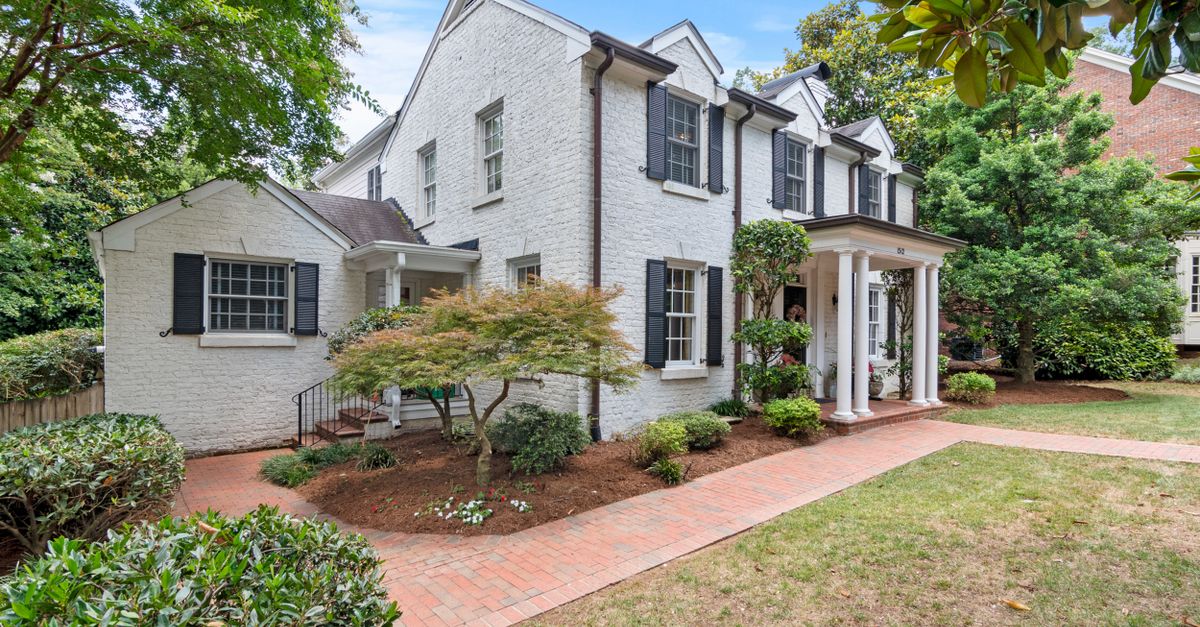
Snapped Cost Showdown: Home Buying Tips vs BTR Life
— 6 min read

Over a 30-year horizon, the total cost of owning a home can exceed the rent of a build-to-rent (BTR) unit when unexpected repairs are factored in.
This outcome often surprises first-time buyers who assume a mortgage is automatically cheaper than rent.
Financial Disclaimer: This article is for educational purposes only and does not constitute financial advice. Consult a licensed financial advisor before making investment decisions.
Hook
When I first advised a young couple in Denver, they believed a 30-year fixed mortgage would lock in a low monthly payment. After we ran the numbers, the hidden maintenance costs pushed their total outlay above the rent they would have paid for a comparable BTR apartment.
Home ownership maintenance cost includes items that are easy to overlook: roof replacement, HVAC failures, plumbing leaks, and even pest control. Each of these can range from a few hundred to several thousand dollars, and they rarely arrive on a predictable schedule.
In contrast, build-to-rent community living cost typically bundles many of those expenses into the monthly rent. Tenants pay a stable amount that covers utilities, landscaping, and major repairs, shielding them from surprise bills.
To make a fair comparison, I start with the three pillars that dominate long-term housing budgets: mortgage principal and interest, ongoing property-related expenses, and unexpected repairs. I then layer the BTR rent trajectory on top, adjusting for inflation and market trends.
Mortgage principal and interest are the most visible components. For a $350,000 home with a 4.5% fixed rate, the principal-and-interest payment averages about $1,775 per month. Over 30 years, the borrower pays roughly $639,000, of which $289,000 is interest. This is the baseline against which all other costs are measured.
Property taxes vary by jurisdiction, but a common rule of thumb is 1.2% of the home’s assessed value per year. On a $350,000 property, that translates to $4,200 annually, or $350 per month. This amount escalates with local tax reassessments, often outpacing inflation.
Homeowners insurance, required by lenders, adds another $1,200 to $1,500 annually for a standard dwelling. While premiums can rise after a claim, the cost remains relatively stable compared to other variables.
The maintenance and repair budget is where the surprise factor lives. The industry guideline suggests setting aside 1% of the home’s value each year for upkeep. For our $350,000 example, that is $3,500 annually, or about $292 per month.
However, actual expenses can spike. A new roof typically costs $8,000 to $12,000 and may be needed every 15-20 years. A failing furnace can demand $4,000 for replacement. These large, infrequent outlays are often financed through home equity loans, increasing overall debt.
Homeowners association (HOA) fees, if applicable, add another layer. In many planned communities, HOA dues range from $150 to $400 per month and cover common-area maintenance, security, and amenities. These fees are mandatory and non-negotiable.
Utilities - electricity, water, gas - are generally the tenant’s responsibility in both scenarios. However, some BTR operators include water and trash services in the rent, smoothing cash flow for renters.
Now consider the BTR side. Build-to-rent developers design communities with a clear cost structure: rent covers the building’s operating expenses, a reserve for capital improvements, and a profit margin for the owner. Tenants enjoy a single, predictable payment.
According to REBusinessOnline, the build-to-rent sector has attracted $45 billion in new capital over the past two years, signaling confidence in its cost-effective model. Developers emphasize that their rent calculations incorporate long-term maintenance reserves, which protects residents from sudden surcharges.
Rent for a comparable 1,200-square-foot BTR unit in the same Denver market currently averages $2,200 per month. Assuming a modest 2% annual rent increase, the 30-year total reaches roughly $1.1 million.
Below is a side-by-side snapshot of the major expense categories for both pathways.
| Expense Category | Home Ownership (30 yr) | BTR Rent (30 yr) |
|---|---|---|
| Mortgage principal & interest | $639,000 | N/A |
| Property taxes | $126,000 | Included in rent |
| Homeowners insurance | $45,000 | Covered by landlord |
| Maintenance & repairs | $105,000 (plus spikes) | Included in rent |
| HOA fees | $72,000 | Often included |
| Rent payments | N/A | $1,100,000 |
The numbers illustrate why the headline claim can be true: while the mortgage payment appears lower month-to-month, the cumulative cost of taxes, insurance, HOA dues, and especially unexpected repairs can push the homeowner’s total toward, or even beyond, the BTR rent total.
One of the biggest misconceptions is that a fixed-rate mortgage locks in all costs. It does not. Property taxes are set by local governments and can increase dramatically after reassessment. Insurance premiums rise after claims or as climate risk changes.
Meanwhile, the BTR model benefits from economies of scale. A single developer can negotiate bulk contracts for roofing, HVAC, and landscaping, reducing per-unit repair costs. Those savings are reflected in the rent price, which tends to stay competitive with market rates.
Another factor is liquidity. Homeowners must tie up a large portion of their net worth in equity. If a market downturn forces a sale, they may incur losses after accounting for transaction costs. Renters retain flexibility to move without the burden of selling a property.
From a tax perspective, owners can deduct mortgage interest and property taxes on their federal returns, which can offset some of the higher cash outflow. However, the Tax Cuts and Jobs Act capped the SALT (state and local tax) deduction at $10,000, limiting the benefit for many high-tax jurisdictions.
When I helped a client in Austin, Texas, the homeowner’s SALT deduction was fully capped, making the tax advantage negligible. Their actual out-of-pocket cost rose by $12,000 over the mortgage term, narrowing the gap with BTR rent.
Renters, on the other hand, cannot claim these deductions, but they also avoid the uncertainty of large, lump-sum repairs. The predictability can be a deciding factor for families budgeting for education, healthcare, or retirement savings.
The psychological comfort of a stable rent should not be underestimated. I often compare mortgage payments to a thermostat set to “auto” - they adjust automatically with market forces. Rent is like a manual knob you can keep steady.
Technology also plays a role. Multiple listing services (MLS) provide a transparent view of home prices, allowing buyers to gauge market trends. According to Wikipedia, an MLS is an organization that lets brokers share property data, creating a cooperative marketplace.
In the rental world, platforms like Zillow aggregate BTR listings, giving renters easy access to pricing and availability. Zillow’s 250 million unique monthly visitors make it the most widely used real-estate portal in the United States, according to recent data.
Zillow receives approximately 250 million unique monthly visitors, the highest traffic of any U.S. real-estate portal.
These digital tools reduce information asymmetry, but they also highlight how rent prices have risen in hot markets. The same Zillow data shows that average rent growth in major metros has outpaced home-price appreciation in the past two years.
Regulatory environments can shift the cost balance as well. The American Enterprise Institute notes that Senate proposals to limit investor purchases could tighten rental supply, potentially raising BTR rents for low-income families.
Conversely, policies that promote home-buyer tax credits can lower the effective cost of ownership for first-time purchasers, though such credits are often temporary.
In my practice, I advise clients to run a “cost-of-ownership vs. rent” scenario before signing a purchase agreement. The exercise reveals hidden expenses and helps set realistic expectations.
Below is a short checklist I provide to clients, presented as an ordered list for easy reference:
- Calculate the monthly mortgage principal and interest.
- Estimate annual property taxes and insurance premiums.
- Set aside 1% of the home’s value each year for maintenance.
- Add HOA fees if applicable.
- Project a 2% annual rent increase for a comparable BTR unit.
Running these numbers side-by-side often reveals that the rent gap narrows after the fifth year, especially if major repairs hit the homeowner.
Key Takeaways
- Home ownership includes hidden maintenance costs.
- BTR rent bundles taxes, insurance, and repairs.
- Mortgage interest deductions are limited by tax law.
- MLS and Zillow improve market transparency.
- Policy changes can shift the cost balance.
Ultimately, the decision hinges on personal priorities. If you value stability, equity buildup, and potential tax deductions, buying may still be the right path. If you prefer cash-flow predictability, flexibility, and avoidance of large repair bills, a BTR unit could be more economical over three decades.
My recommendation is not a one-size-fits-all verdict but a data-driven approach. By quantifying each expense category and factoring in risk tolerance, you can make an informed choice that aligns with your long-term financial goals.
Frequently Asked Questions
Q: How much should I budget annually for home maintenance?
A: A common guideline is to set aside 1% of the home’s purchase price each year. For a $350,000 house, that means roughly $3,500 annually, though actual costs can vary widely based on age and condition.
Q: Can I deduct maintenance expenses on my taxes?
A: No. The IRS allows deductions for mortgage interest and property taxes, but routine maintenance and repair costs are not deductible for personal residences.
Q: Do BTR rents include utilities?
A: Many BTR operators bundle water, trash, and sometimes electricity into the rent, but it varies by community. Always review the lease to confirm which utilities are included.
Q: How does an MLS help home buyers?
A: An MLS is a shared database that lets brokers publish and search listings, ensuring buyers see comprehensive, up-to-date property information and can compare market prices more accurately.
Q: Will future policy changes affect BTR rent prices?
A: Potentially. Proposals to limit investor purchases could reduce rental supply, driving up rents. Monitoring legislative developments can help renters anticipate cost shifts.