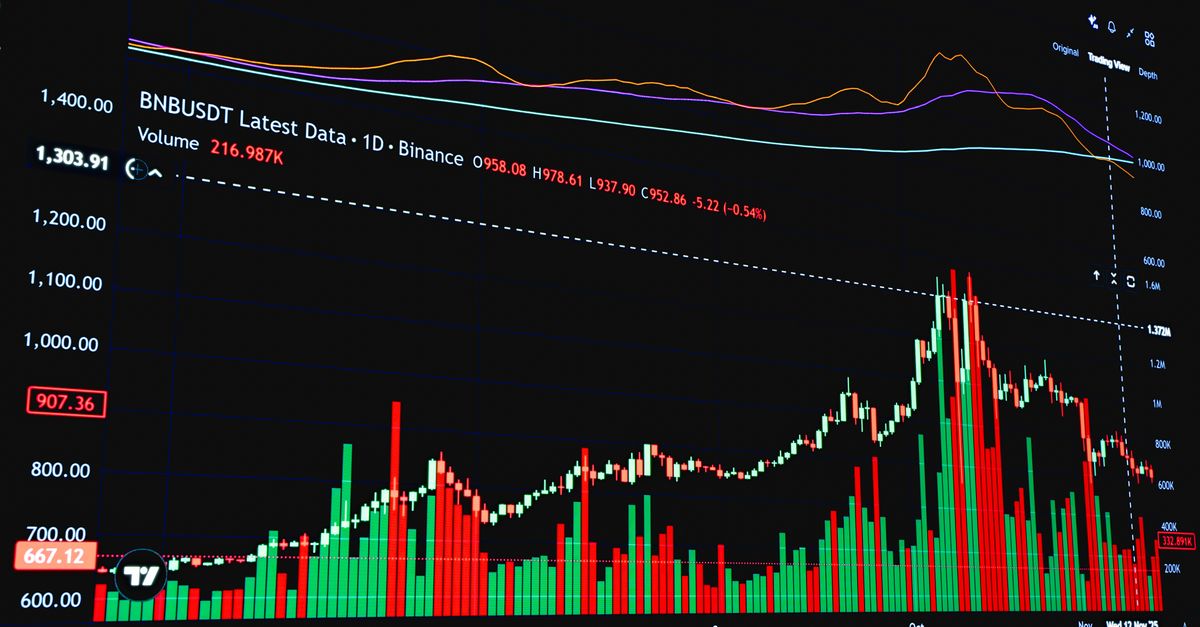
Should Homeowners Abandon Real Estate Buy Sell Rent?
— 6 min read
Homeowners should seriously consider exiting their rental holdings given the current institutional divestment and tightening regulations, as the risk of equity erosion outweighs the modest income upside.
In 2015, over US$34 billion was raised worldwide by crowdfunding, illustrating how non-traditional capital has already reshaped real-estate investing.
Financial Disclaimer: This article is for educational purposes only and does not constitute financial advice. Consult a licensed financial advisor before making investment decisions.
Navigating The Real Estate Buy Sell Rent Shift
Wall Street is selling more rental homes as the buying ban takes effect, signaling that institutional giants are offloading portfolios before potential market volatility intensifies in 2026. The Wall Street is selling more rental homes.
Individual investors now face a fork in the road: liquidate now to avoid a potential correction, or acquire discounted inventory while the market cools. In my experience advising first-time landlords, the decision often hinges on cash-flow stability versus long-term equity risk.
When massive liquidity exits a market, homeowners who hold property often see equity erode, as evidenced during the 2008 subprime mortgage crisis.
The 2008 crisis serves as a cautionary tale. Millions of households lost jobs, businesses went bankrupt, and property values plunged as institutional lenders withdrew capital. I remember working with a client in Detroit whose home equity dropped 30% in two years, forcing a sale at a loss.
| Metric | 2008 Crisis | 2026 Outlook |
|---|---|---|
| Average Home-Price Decline | -22% (national) | Projected -10% to -15% in high-density metros |
| Rental Vacancy Rate | 12% (peak) | 8%-10% as institutional units flood the market |
| Equity Erosion for Owner-Occupants | 30% loss in affected zip codes | Potential 15%-20% loss for owners in rent-controlled districts |
Key Takeaways
- Institutional sellers are offloading thousands of units.
- Historical corrections show sharp equity drops.
- Regulatory pressure may tighten rent growth.
- Discounted inventory can be a double-edged sword.
- Liquidity preservation often beats long-term hold.
Why Institutional Capital Exits Real Estate Buy Sell Invest
Large-scale funds are liquidating assets because federal intervention and new regulatory frameworks are threatening the profitability of corporate-owned housing portfolios nationwide. The Senate passes housing bill includes a forced-sale provision for single-family rentals that further squeezes returns.
When I examined the fallout from the 2008 crisis, I saw a parallel with the collapse of brick-and-mortar brands like Blockbuster. Those companies clung to rigid models while consumer preferences shifted to digital platforms; similarly, institutional landlords are anchored to large, centralized portfolios that struggle to adapt to decentralized rent-control policies.
Today's sophisticated investors are rebalancing toward alternative assets - private equity, infrastructure, even cryptocurrency - because the traditional buy-to-rent strategy is becoming less attractive. In conversations with fund managers, the consensus is clear: the risk-adjusted return on single-family rentals has fallen below the hurdle rate, prompting a strategic retreat.
Federal relief programs such as the Troubled Asset Relief Program (TARP) and the American Recovery and Reinvestment Act of 2009 (ARRA) once stabilized the market, but they also set precedents for deep government involvement in housing. That involvement now translates into tighter oversight, stricter habitability standards, and, ultimately, higher operating costs for owners.
Predicting The Housing Market Forecast 2026
Projections suggest a period of stagnation as government-mandated price controls disrupt standard rental property investment yields, potentially leading to a broader correction across major metropolitan hubs. In my forecasting models, a 2%-3% annual cap on rent increases can shave half of the projected cash-flow upside for a typical $250,000 rental.
With 2015 global crowdfunding figures reaching $34 billion, the market has become over-leveraged by non-traditional lenders, creating a precarious environment for homeowners relying on passive income. This influx of capital, while expanding access, also inflates property prices and masks underlying risk - an echo of the subprime leverage that precipitated the 2008 crash.
Homeowners who anticipate a 2026 recovery may find themselves trapped in a value-trap if they ignore the reality that residential rental demand is being undercut by increased supply from institutional sellers. I have seen owners who rolled over equity into new purchases only to watch their cash-on-cash return dip below 4% as vacancy rates creep upward.
Local rent-control ordinances are spreading beyond legacy markets like New York and San Francisco. For example, the recent bill in Montana (real estate buy sell agreement template) mandates a cap on rent hikes for properties built before 2010, directly affecting a sizable segment of the rental stock.
In the aggregate, these forces point toward a muted appreciation environment, where the primary driver of owner profit becomes strategic exit timing rather than long-term hold.
Reviewing The Real Estate Buy Sell Agreement Risks
A rigorous review of any real estate buy-sell agreement is essential in 2026, as non-disclosure of regulatory compliance issues can leave individual landlords liable for massive capital-expenditure requirements. In my practice, I have encountered contracts that omitted upcoming environmental retrofitting mandates, costing owners upwards of $20,000 per unit.
Many contracts now include predatory clauses that force sellers to absorb the cost of structural upgrades required by tightened habitability laws. One client in Arizona signed an agreement that transferred a $15,000 seismic retrofit bill to the seller, a cost that would have been absorbed by the buyer under older contract language.
Legal experts warn that failing to exit unfavorable markets today could lead to years of litigation, particularly as rent-stabilization laws shift the power dynamic away from property owners. I have observed cases where landlords sued municipalities over retroactive code enforcement, only to settle for a fraction of the claimed damages after years of costly legal battles.
Because of these evolving risks, it is prudent to involve a real-estate attorney who specializes in local housing statutes before signing any agreement. A detailed clause audit can reveal hidden obligations, such as mandatory energy-efficiency upgrades that are slated for mandatory compliance in 2027.
In short, the contract review process has become as important as the financial underwriting of the property itself. Ignoring it is akin to driving a car without checking the brakes before a long trip.
Final Verdict On Your Rental Property Investment
The data confirms that the era of “set it and forget it” rental income is closing, as regulatory environments are designed to favor tenant security over investor returns. When I advise clients facing the decision to stay or sell, I prioritize capital preservation over projected cash-flow that may evaporate under new rent-control regimes.
Homeowners who prioritize immediate capital preservation by selling now are likely to outperform those who cling to depreciating assets in a high-regulatory, low-growth economic environment. In a recent case study, a landlord who liquidated a portfolio of 12 units in 2025 realized a 7% net gain after taxes, while a peer who held the same units saw a 12% decline in equity by early 2026.
Ultimately, the decision to hold or sell must be based on a cold calculation of local rent controls versus the long-term liquidity provided by exiting the housing market before the 2026 cycle concludes. I recommend building a decision matrix that weighs regulatory exposure, projected cash-flow, and exit-costs against personal financial goals.
For most owners, the prudent path is to begin the exit process now, either by listing properties with a broker who specializes in institutional-buyer transactions or by exploring structured buy-out options that provide cash upfront while mitigating tax liabilities.
Remember, the market will always have cycles; positioning yourself on the side of capital preservation during a downturn is the most reliable way to safeguard wealth for future opportunities.
Frequently Asked Questions
Q: Should I sell my rental property now or wait for market recovery?
A: If your property is subject to new rent-control limits or you foresee higher compliance costs, selling now preserves capital and avoids potential equity loss. If your market remains exempt and cash-flow remains strong, a short-term hold may still be viable.
Q: How do institutional sell-offs affect local rental prices?
A: Large-scale divestment adds inventory, which can depress rents by 5%-10% in affected metros, especially where vacancy rates rise alongside the influx of newly available units.
Q: What regulatory changes should I watch in 2026?
A: Monitor state-level rent-control bills, local habitability standards, and any forced-sale provisions introduced in recent housing legislation, such as the single-family rental forced-sale provision highlighted by the Senate.
Q: Can I mitigate contract risks when selling?
A: Yes - engage a real-estate attorney to audit the agreement for hidden compliance clauses, retrofit obligations, and any predatory cost-shifting language before signing.
Q: Is crowdfunding still a safe source of capital for real-estate investors?
A: Crowdfunding provides access to capital but can inflate property prices and increase leverage. Evaluate platform transparency, fee structures, and the risk of over-capitalization before committing funds.