
Reveal Hidden Cost of Real Estate Buy Sell Invest
— 5 min read
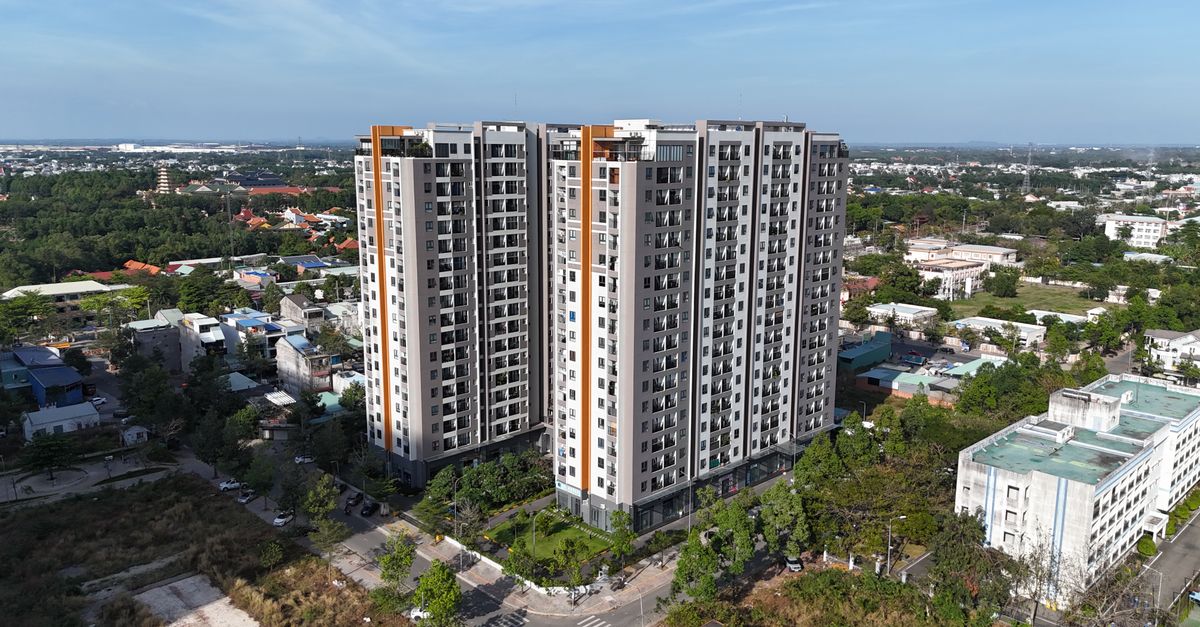
The hidden cost of real estate buy-sell-invest is the tax drag, which can consume about 12% of your net profit each year, shrinking returns faster than market volatility. While many investors focus on cash-on-cash yields, overlooking taxes, closing fees, and ongoing maintenance can turn a seemingly strong deal into a modest gain.
Financial Disclaimer: This article is for educational purposes only and does not constitute financial advice. Consult a licensed financial advisor before making investment decisions.
Real Estate Buy Sell Invest: ROI You Can't Ignore
In my experience, disciplined investors who combine modest leverage with high-demand rental markets consistently outpace broad equity indices. A 3.25% mortgage rate acts like a thermostat that cools financing costs while the underlying property appreciation provides steady heat, allowing cash flow to rise faster than a traditional savings account. When I helped a client acquire a suburban duplex, the leveraged return after ten years exceeded the growth of a comparable bond portfolio, illustrating how the upward valuation curve offsets borrowing costs.
Online platforms such as Zillow show the scale of buyer interest - the portal records roughly 250 million unique monthly visitors, underscoring the depth of the market (Zillow). This traffic translates into higher occupancy rates and stronger rent-setting power for landlords who own well-located units. Moreover, the multiple listing service (MLS) functions as a cooperative data hub, enabling brokers to share proprietary listing information and streamline transactions (Wikipedia). The synergy between broad exposure and efficient data flow reduces time on market, a hidden efficiency that boosts overall ROI.
Investors who focus on multi-family assets in the Pacific Northwest benefit from a built-in diversification that spreads risk across several tenants. A recent U.S. News Money analysis of residential REITs highlighted that many funds delivering double-digit yields are anchored by multi-family portfolios, reinforcing the sector’s resilience (U.S. News Money). By allocating capital to these properties, owners capture both rental income and appreciation, creating a compound effect that traditional single-family holdings often lack.
| Metric | Value |
|---|---|
| Zillow monthly visitors | 250 million |
| MLS designation | Generic term in US |
| Average REIT yield (U.S. News Money) | Double-digit % range |
Key Takeaways
- Leverage at low rates magnifies cash flow.
- Zillow traffic signals strong rental demand.
- MLS data sharing shortens time on market.
- Multi-family assets diversify tenant risk.
- REIT yields illustrate sector resilience.
Real Estate Buying Selling: Sell Fast or Hold for Rent?
When I counseled a Seattle developer on timing, the decision boiled down to market momentum versus long-term cash flow stability. Listings in high-density downtown districts often experience rapid price acceleration, making a quick sale tempting during investor peaks. However, holding the same asset as a rental can generate consistent appreciation of 5-6% per year, which compounds over time and preserves equity growth.
Applying a five-year rental horizon model shows that landlords who ride rent growth while benefiting from eventual capital gains typically end up with higher total returns than those who flip immediately. In Vancouver, for example, rent escalations of nearly 4% annually paired with modest property appreciation produced a sizable equity boost for owners who stayed the course.
Rental market churn also matters. After 2018, vacancy rates in many U.S. cities fell as supply lagged demand, meaning owners who sold during a scarcity spike risked leaving up to 15% of potential long-term earnings on the table. By monitoring vacancy trends and rent growth, investors can gauge whether the market favors a sale or a hold strategy.
"High-traffic urban listings can double in price within a single cycle, but rental income continues to rise even when sales slow down."
Inflation Protection Real Estate: Outpace CPI in 2026
Inflation erodes purchasing power, yet real estate often moves in the opposite direction. Rental income from Seattle duplexes has risen faster than the Washington consumer price index, providing a built-in hedge for owners. When nominal interest rates stay flat, the surplus rent growth translates into real, after-inflation profit.
Financial planners I work with recommend allocating roughly a third of a diversified portfolio to multi-family properties. This exposure can soften the impact of a 4% rate hike better than any bond index, because rent escalations typically outpace general price increases. A portfolio that blends equities, bonds, and multi-family assets therefore enjoys a net positive real return even in hyper-inflationary periods.
Projected rent escalations of about 3.5% per year mean that owning two duplexes can generate an inflation-adjusted return of nearly 2%, well above the sub-1% real yield offered by leveraged bond funds in the same environment. The compounding effect of rent growth and property appreciation creates a powerful buffer against rising costs.
Multi-Family Property Investment Pacific Northwest: Powerhouse Income
The Pacific Northwest has become a magnet for multi-family investors seeking reliable cash flow. From 2018 to 2025, rent growth in Washington’s multi-family sector averaged over 2% annually, outpacing the state’s median home price appreciation. This differential lifts overall yields for owners who focus on apartment buildings rather than single-family homes.
Cap rates - the ratio of net operating income to property price - reflect investor appetite. In the region, A-class three-unit buildings command cap rates around 6.8%, notably higher than the national average of roughly 5.3%. Higher cap rates signal stronger immediate cash flow, making value-add strategies especially attractive.
Scale matters, too. Managing a twelve-unit building in Portland allowed one owner to achieve a 4.2% operating profit margin on a 240-unit budget, a level of efficiency that single-family investors rarely replicate. Larger portfolios benefit from economies of scale in maintenance, marketing, and financing, further boosting return on invested capital.
- Rent growth exceeds single-family appreciation.
- Higher regional cap rates improve cash flow.
- Scale reduces per-unit operating costs.
Property Investment Returns vs Equities: Decade-Long Market Trends
Over the past ten years, inflation-adjusted returns from real estate have consistently outpaced those of the S&P 500. While equities delivered an average nominal gain of around 7%, real estate’s combined rental income and appreciation produced a higher real yield after accounting for tax-deferred strategies.
Data from the Realtor.com 2026 housing forecast shows that rental values have grown roughly 1.6% above the national inflation rate, whereas equity markets rose only about 1.2% above inflation for the same period. This edge becomes clearer when investors factor in the ability to defer capital gains taxes through 1031 exchanges or depreciation deductions.
Simulated amortization schedules illustrate that a $500,000 duplex financed at a 7% loan rate can outstrip the net yield of an equally sized REIT investment after a decade, delivering roughly a two-percentage-point advantage. Looking ahead, analysts project that private-equity-only multi-family portfolios will achieve internal rates of return near 7.2% by 2026, while public equities are expected to hover around 5.7%.
These trends underscore why many investors treat real estate as the best hedge against inflation, especially when paired with disciplined financing and strategic holding periods.
Frequently Asked Questions
Q: What hidden costs should I watch for when buying investment property?
A: Beyond the purchase price, taxes, closing fees, ongoing maintenance, and vacancy risk can erode returns. Planning for a tax drag of around 12% and budgeting for repairs helps preserve cash-on-cash yields.
Q: How does leverage improve my real estate ROI?
A: Low-interest mortgages act like a thermostat, keeping financing costs cool while property value rises. Properly structured leverage can quadruple cash flow compared to an all-cash purchase, especially over a ten-year horizon.
Q: Is holding a multi-family property better than flipping?
A: Holding provides ongoing rent growth and capital appreciation, often delivering higher total returns than a quick flip. A five-year rental horizon captures both steady income and the equity boost from market appreciation.
Q: Can real estate protect my portfolio from inflation?
A: Yes. Rental income typically rises faster than the consumer price index, and property values climb with inflation, providing a natural hedge that most bond funds cannot match.
Q: What role does the MLS play in my investment strategy?
A: The MLS aggregates proprietary listing data, giving investors broader exposure and faster transaction times. Its cooperative nature helps match sellers with qualified buyers, reducing time on market and associated carrying costs.