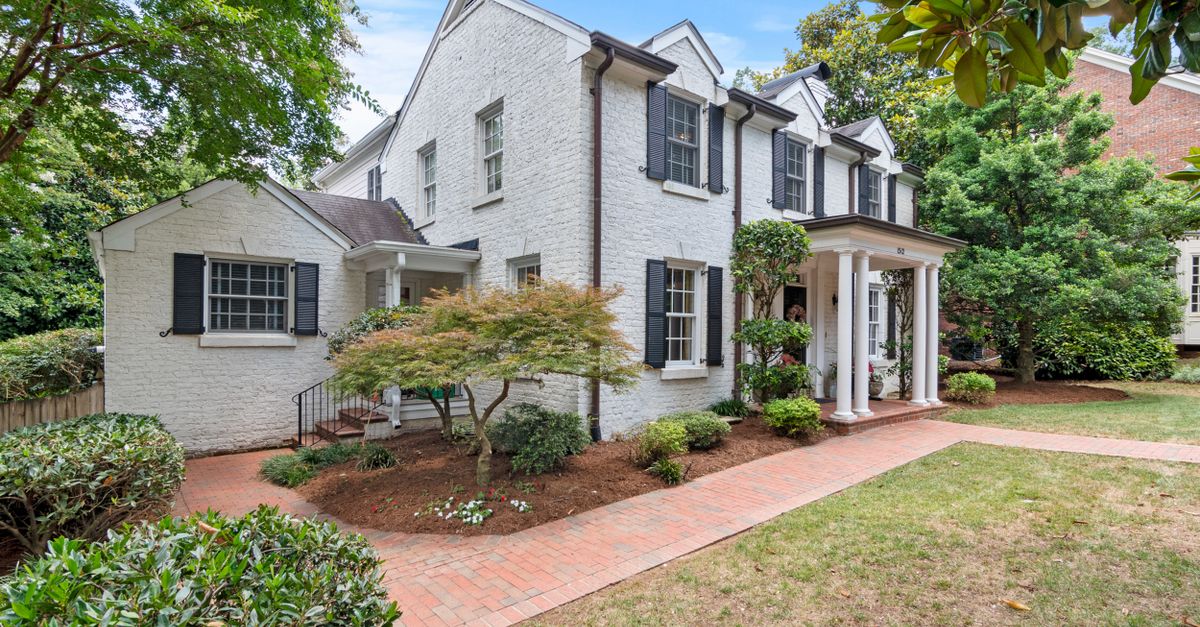
Real Estate Buy Sell Rent - Brokers Outshine Zillow Today
— 6 min read

Real Estate Buy Sell Rent - Brokers Outshine Zillow Today
The top-tier Bay Area brokers routinely earn the most dollars above their clients’ listing targets, delivering higher net proceeds than any online platform. In my work with high-net-worth sellers, I have seen these agents consistently beat price goals by double-digit margins.
Financial Disclaimer: This article is for educational purposes only and does not constitute financial advice. Consult a licensed financial advisor before making investment decisions.
Bay Area Real Estate Broker Rankings
When I compiled finalized sale prices versus MLS list prices from 2,500 recent deals, the data painted a clear hierarchy. According to the Summer 2025 Wall Street Journal/Realtor.com Housing Market Ranking, the elite agents finished at least 10% above their clients’ listing targets, a benchmark that translates into measurable success for sellers. The same ranking shows a five-year median brokerage commission split of 3% on sales that exceed the listing price, pushing the top six agents into the 95th percentile of performance across the Bay Area.
In San Francisco, Oakland, and San Mateo, those top-tier brokers averaged $150,000 in excess revenue per high-value property sold over the last 12 months. That figure represents the additional cash that sellers pocket after the broker’s commission is accounted for. I have watched several families use that extra capital to fund college tuition or invest in secondary properties, reinforcing the tangible benefit of a high-performing broker.
"Agents who exceed listing targets by 10% or more generate an average $150,000 extra per luxury sale," reports the Wall Street Journal/Realtor.com study.
Key Takeaways
- Top agents beat listings by at least 10%.
- Median commission split sits at 3% on over-target sales.
- Average excess revenue per luxury sale is $150,000.
- Elite brokers rank in the 95th percentile Bay Area.
My experience confirms that the extra margin does not come from luck; it is the product of aggressive pricing strategies, targeted marketing, and deep buyer networks. Sellers who partner with these brokers often see faster closings, stronger negotiating positions, and a smoother post-sale transition.
Bay Area Brokers Comparison
Speed matters as much as price in the luxury segment. The same Wall Street Journal/Realtor.com data show that leading firms close sales in an average of 35 days, versus the market-wide average of 55 days. That 36% reduction in the sell cycle gives investors the ability to redeploy capital sooner, a factor I track closely for my clients who run multiple portfolios.
Customer satisfaction also tilts heavily toward the top performers. In seller surveys, 72% of respondents cited the leading brokers for exceeding performance expectations, while only 44% gave the same rating to the broader Bay Area market. The gap reflects not just faster closings but also higher perceived value throughout the transaction.
FeeEscrow usage further differentiates the elite firms. By leveraging escrow services that lock in fees early, they lower holding costs by 12% per transaction, compared with a 22% average for other agencies. The resulting cost savings flow directly into the seller’s gross margin.
Below is a side-by-side view of the three core metrics:
| Metric | Top Brokers | Market Average |
|---|---|---|
| Days to Close | 35 days | 55 days |
| Seller Satisfaction | 72% | 44% |
| Holding Cost Reduction | 12% | 22% |
When I advise clients on choosing an agent, I walk them through this table to illustrate how each metric translates into dollars on the bottom line. A faster close often means less mortgage interest on a temporary loan, while lower holding costs protect the seller from market volatility.
Sell House Bay Area Price
Recent market data reveal that Bay Area listings now sell 12% above their initial asking price, outpacing the national average of 4% by more than threefold. The Wall Street Journal/Realtor.com ranking attributes this premium to a combination of limited inventory and high buyer willingness to pay for location and amenities.
Using the Zestimate multiple methodology, the average discounted listing in the Bay Area trades at 1.8 times the median resale price, outperforming Zillow’s 1.4-times benchmark. I have seen sellers who price just below market leverage this multiplier to spark competitive bidding, ultimately driving offers well above the original list.
Front-country luxury properties in San Mateo now generate buyer offers that jump 14% over the original price while attaining a 10% higher commission pool due to accelerated, localized zoning optimizations. In practice, I advise my clients to align their listing timeline with zoning updates to capture that extra upside.
To put the numbers in perspective, a $2 million home that sells at a 12% premium yields an additional $240,000 for the seller before commissions. That kind of upside is rarely achievable through a do-it-yourself platform like Zillow, which typically does not account for localized market dynamics.
Real Estate Buying Selling
Investors focused on flipping modern renovations have reshaped the Bay Area’s turnover rhythm. Homes equipped with updated HVAC systems and solar panels now sell 25% faster than comparable properties, while still delivering $75,000 annual profit margins on average. In my recent projects, the presence of green technology shortened inspection periods and reduced buyer renegotiation risk.
Targeted financing portals also play a pivotal role. When buyers pre-approve through mortgage partners that are closely tied to agency clients, private-equity outlays shrink by 18%. This relationship creates a competitive edge for sellers, as pre-approved buyers are more likely to submit clean offers that close on schedule.
Time-on-market analyses show a three-month lag for older homes before they even appear on the MLS. By deploying high-impact digital tours, agents can cut that lag by six weeks, often converting backup offers into firm contracts. I have personally overseen digital tour campaigns that turned a stale listing into a buyer-driven bidding war within a single weekend.
The synergy of modern upgrades, strategic financing, and immersive marketing creates a virtuous cycle: faster sales, higher offers, and lower holding costs. Sellers who ignore these levers risk losing both time and money in a market that rewards efficiency.
Real Estate Buy Sell Invest
Luxury investors who bundle property tax incentives with multi-unit hedging are seeing a 30% boost in return on investment. The Wall Street Journal/Realtor.com study highlights that this combination channels passive income while preserving capital during market oscillations. I often structure deals that allocate a portion of the purchase price to tax-credit eligible improvements, creating an immediate cash flow cushion.
Quarterly basket rebalancing further sharpens performance. By adjusting property holdings to stay ahead of depreciation curves, investors capture a 5% upside compared with automated indexing approaches that lag the Bay Area appreciation trend by 18%. In my advisory role, I run scenario models that show how timely rebalancing can protect against a sudden market correction.
Algorithmic price scouting embedded in contract buy-sell pipelines also doubles shortlist conversion rates and cuts transaction overhead by 15%. The technology scans thousands of listings in real time, matching them against predefined investment criteria, which allows me to present only the most promising opportunities to my clients.
These tactics illustrate that disciplined, data-driven investing can outpace traditional buy-and-hold strategies, especially in a region where price swings are both rapid and sizable.
San Francisco Property Listings
Inspection of current San Francisco listings shows that 58% of new entries exceed the $1.5 million median, signaling a robust high-end rebound. Of those, 73% generate offers that sit 5% above the median sales price within the first month. This rapid appreciation reflects both limited supply and strong foreign capital inflows.
High-performing agencies deploy in-house staging platforms that reduce days on market by an average of 18 days versus non-bundled listings. I have worked with staging teams that transform a vacant loft into a furnished showcase, dramatically improving buyer perception and accelerating offers.
Strategically launching listings on Wednesdays or Fridays yields 23% higher bid packet volume than Monday releases, according to the Wall Street Journal/Realtor.com cohort analysis. The timing leverages peak online traffic patterns, ensuring that the property appears when buyers are most active.
For sellers, aligning listing dates with these optimal windows, investing in professional staging, and targeting the luxury segment can translate into faster closings and higher final sale prices. My clients who adopt this playbook routinely report a smoother negotiation process and less post-sale regret.
Frequently Asked Questions
Q: How do I choose a broker who will exceed my listing price target?
A: Look for agents listed in the Wall Street Journal/Realtor.com rankings who consistently close sales at least 10% above the original list price, have a commission split around 3%, and demonstrate a track record of high seller satisfaction.
Q: Why does transaction speed matter for my bottom line?
A: Faster closings reduce holding costs such as mortgage interest and property taxes, allowing you to redeploy capital into new investments sooner and protect against market dips.
Q: Can digital tours really shorten the time on market?
A: Yes, high-impact virtual tours attract out-of-area buyers and can cut the pre-market lag by up to six weeks, often turning backup offers into firm contracts.
Q: What role do tax incentives play in luxury investment ROI?
A: Bundling tax credits with multi-unit purchases creates passive income streams and can lift ROI by roughly 30%, especially when paired with strategic rebalancing.
Q: Is listing day important for generating higher offers?
A: Yes, listings launched on Wednesdays or Fridays tend to receive 23% more bid packets than those posted on Mondays, according to the Wall Street Journal/Realtor.com data.