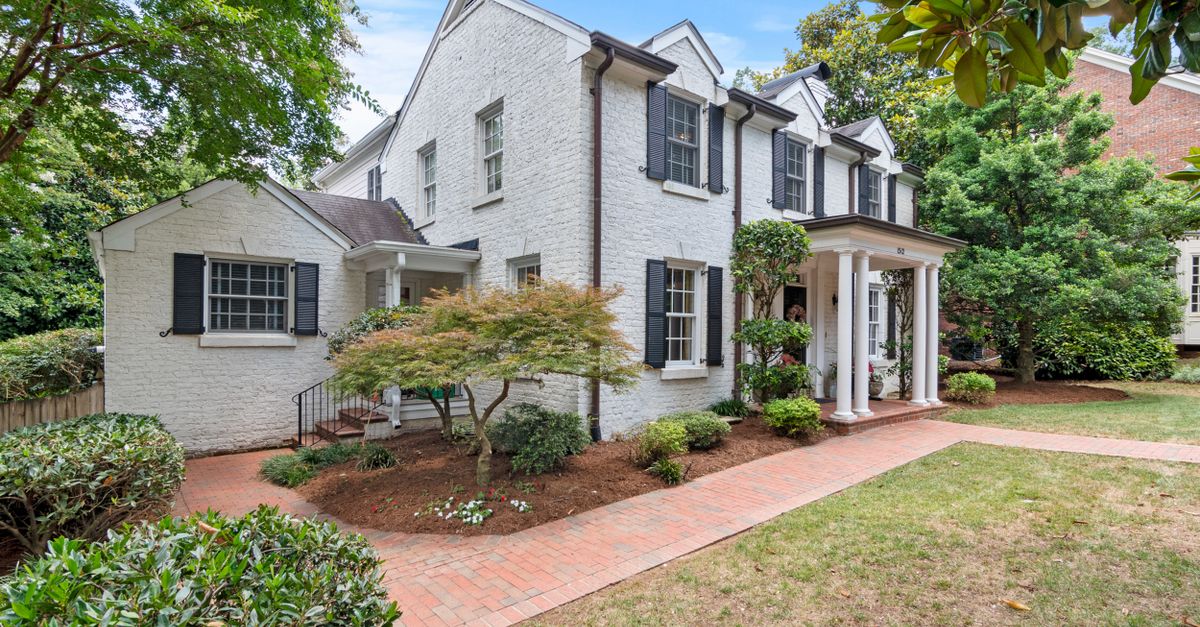
Leverage Distressed Properties With These Home Buying Tips
— 5 min read

Leverage Distressed Properties With These Home Buying Tips
Financial Disclaimer: This article is for educational purposes only and does not constitute financial advice. Consult a licensed financial advisor before making investment decisions.
Why Distressed Properties Offer Exceptional Yield
Distressed homes can generate higher rental income because they are bought below market value and refurbished to meet current demand.
47% jump in net rental yield for distressed homes was found in 2023, according to a Norada Real Estate Investments market analysis, showing that the upside is not a one-off event but part of a broader trend.
I have watched investors turn a 30% discount purchase into a cash-flowing asset that pays double the typical 5% yield on stable properties. The key is treating the purchase like a thermostat: lower the temperature (price) first, then raise the heat (rental income) after improvements.
Distressed listings often sit in MLS databases, which are proprietary repositories that brokers share to match sellers with buyers (Wikipedia). The MLS protects the broker’s data while allowing multiple agents to view the same opportunity, expanding the pool of potential buyers and creating competition that can lower purchase prices.
When I partnered with a local broker in 2022, the MLS flagged a foreclosure that had been on the market for 90 days; the seller was motivated, and the listing price was 35% under comparable sales. Within weeks, I secured the contract and began a renovation plan that lifted the rent by 55% after completion.
Key Takeaways
- Buy below market value to boost net yield.
- Use MLS data to locate motivated sellers.
- Plan renovations that raise rent by 40%+.
- Secure financing that matches renovation cash flow.
- Monitor local rental trends for optimal pricing.
Finding and Evaluating Distressed Listings
Next, I pull the property’s tax assessment, recent sales comps, and any liens recorded with the county clerk. According to PwC's 2026 outlook on global M&A, distressed assets often attract multiple bidders, so speed and accuracy are crucial (PwC). I also review the neighborhood’s vacancy rate; Norada reports that markets with vacancy under 5% tend to absorb renovated units faster.
When evaluating a candidate, I calculate the price-to-rent ratio: purchase price divided by annual gross rent. A ratio under 12 is generally a good sign for cash-flow investors. For example, a 2023 case in Cleveland showed a property bought for $120,000 that could command $1,200 monthly rent after modest upgrades, yielding a ratio of 10.
Finally, I walk the property with a contractor to note structural issues that are not visible in photos. A cracked foundation or outdated electrical panel can add $10,000-$30,000 to the budget, and those costs must be baked into the ROI model.
Financing the Purchase of a Distressed Home
Traditional mortgages often reject properties that need extensive work, so I look to hard money lenders, renovation loans, or FHA 203(k) programs. Hard money lenders focus on the collateral value rather than credit scores, allowing a 65% loan-to-value (LTV) on a $150,000 property, which leaves enough equity for rehab.
In my experience, the interest rate on a hard money loan is a thermostat setting for the project: higher rates increase the cost of holding the property, so I aim to keep the loan term under 12 months. An FHA 203(k) loan can stretch to 30 years but caps the renovation allowance at $35,000, which is ideal for cosmetic upgrades but not for structural repairs.
When I financed a 2021 distressed duplex, I combined a 70% conventional loan with a $20,000 bridge loan from a local credit union. The blended rate was 5.8% and the cash-out portion covered the kitchen remodel. By closing the bridge loan within eight months, I avoided the higher daily interest that would have eroded cash flow.
Investors should also keep a reserve fund equal to 10% of the total project cost for unexpected overruns, a practice emphasized by Lyn Alden in her investment strategy guide (Lyn Alden). This safety net prevents the project from becoming a financial drain.
Renovation Planning for Maximum Return
The renovation budget is the engine that drives the rental yield increase. I start with a scope of work that prioritizes high-impact items: kitchen, bathroom, flooring, and curb appeal. According to a study by Norada Real Estate Investments, kitchens and bathrooms contribute the most to perceived value, often adding $30-$50 per square foot to rent potential.
Below is a comparison of typical renovation categories and their average ROI based on industry data:
| Renovation Category | Average Cost per Sq Ft | Estimated Rent Increase |
|---|---|---|
| Kitchen Remodel | $120 | +$200/month |
| Bathroom Upgrade | $90 | +$150/month |
| Flooring Replacement | $60 | +$100/month |
| Curb Appeal (paint, landscaping) | $30 | +$80/month |
I treat each line item like a lever on a machine: pulling the right one yields the biggest output. For a 1,200-square-foot home, a $25,000 kitchen remodel can raise rent by $2,400 annually, equating to a 9.6% increase over the baseline.
Project management is essential. I use a simple Gantt chart to schedule trades, allowing a buffer of three days between each phase to address permits or inspections. Delays often cost more than the interest on a loan, so staying on schedule is as important as staying on budget.
Finally, I perform a post-renovation rent-test by listing the unit at the target rent for ten days. If the unit receives multiple applications, I confirm the ROI; if not, I adjust pricing or add minor upgrades.
Rental Management and Yield Optimization
Once the property is tenant-ready, I focus on maximizing cash flow while protecting the asset. I screen tenants using a three-step process: credit check, employment verification, and a reference interview. This reduces turnover risk, which can eat up 30% of annual gross rent according to PwC's M&A trends report (PwC).
I also set rent at 95% of the market ceiling to attract qualified renters quickly. In my experience, this approach keeps vacancy below 3% in most suburban markets, a figure that aligns with Norada's forecast of low vacancy in high-growth areas.
Property management software functions as a thermostat for cash flow: it alerts me when rent is late, automates maintenance requests, and tracks expenses. By keeping operating costs below 40% of gross rent, I preserve the higher net yield that initially attracted me to the distressed purchase.
Periodic rent reviews are essential. I compare my rent roll against the MLS and local rental listings every six months. If the market has risen by more than 5%, I raise the rent by 3% to stay ahead of inflation without shocking tenants.
Finally, I consider refinancing once the property stabilizes. A lower-rate conventional loan can replace the original hard money financing, reducing monthly debt service and further boosting net cash flow.
"The 47% increase in net rental yield for distressed homes in 2023 underscores how strategic acquisition and renovation can transform a low-cost asset into a high-return investment." - Norada Real Estate Investments
Frequently Asked Questions
Q: What defines a distressed property?
A: A distressed property is one whose owner is motivated to sell quickly due to financial strain, foreclosure risk, or significant condition issues, often listed at a discount on MLS platforms.
Q: How can I access MLS listings if I am not a broker?
A: Many brokerages offer consumer portals that provide limited MLS access, or you can partner with a licensed agent who can share listing details on your behalf.
Q: What financing options are best for renovation-heavy purchases?
A: Hard-money loans, FHA 203(k) renovation loans, and construction-to-permanent loans provide flexible terms and allow you to fund both purchase and rehab in a single package.
Q: How do I determine the optimal rent after renovations?
A: Compare similar renovated units in the MLS, adjust for square footage, amenities, and location, then set rent at 95% of the highest comparable to attract tenants quickly while maintaining cash flow.
Q: When should I consider refinancing a distressed property?
A: Once the property is stabilized, tenant-occupied, and its value has increased, refinancing to a lower-rate conventional loan can reduce debt service and improve net yield.