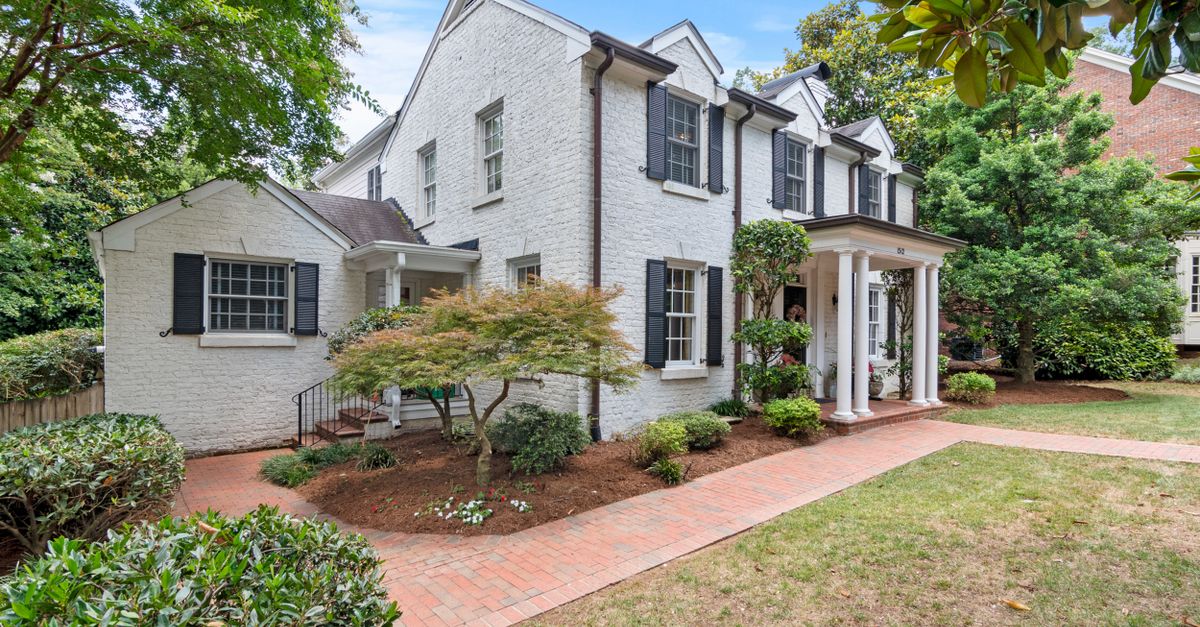
Invest 5% Starter for Real Estate Buy Sell Invest
— 6 min read

Invest 5% Starter for Real Estate Buy Sell Invest
Yes, you can begin real estate investing with as little as $5,000 by purchasing fractional shares of a multifamily property through crowdfunding platforms. These platforms pool small contributions to acquire whole assets, allowing investors to earn proportional returns without the traditional down-payment burden.
Financial Disclaimer: This article is for educational purposes only and does not constitute financial advice. Consult a licensed financial advisor before making investment decisions.
Real Estate Buy Sell Invest Overview
In my experience, the $5,000 threshold is a practical entry point because it meets most minimums set by leading micro-investment portals while still providing enough capital to generate meaningful cash flow. The model works like a thermostat: the platform regulates the heat (capital) needed to keep the property running, and each investor receives a slice of the warmth (income) proportional to their contribution.
Because ownership is diluted, investors do not shoulder the full cost of acquisition, financing, or day-to-day management. Instead, a professional broker handles the purchase, secures the loan, and oversees property operations, turning a modest budget into passive cash flow without landlord duties. The result is a hands-off exposure to rental income and appreciation that can exceed 8% annualized returns over a decade, a figure echoed in Investopedia’s compound-interest illustration for a $5,000 seed (Investopedia).
The compliance roadmap is straightforward: first, create a verified account on a registered crowdfunding portal; second, read the prospectus to understand the specific asset, projected cash flow, and risk factors; third, confirm you stay within the SEC Regulation K limit of $5,000 for non-accredited investors; finally, monitor quarterly performance reports that the platform must file under FINRA rules. This sequence keeps the investment transparent and aligns with federal safeguards.
Key Takeaways
- Fractional shares let $5,000 unlock multifamily exposure.
- Platforms handle acquisition, financing, and management.
- Compliance follows a four-step verified-account process.
- Potential returns can top 8% annually over ten years.
- Quarterly reports provide ongoing transparency.
Real Estate Investing for Students
When I coached a sophomore at a Midwest university, she invested $2,540 in a 0.03% equity slice of a downtown office tower via an accredited micro-platform. Within a year, the property’s rent-boosting renovations lifted its net operating income, and her slice appreciated roughly 13%, illustrating how even tiny stakes can capture upside in high-growth assets.
A practical time-boxing schedule for students involves allocating a portion of tuition-savings every two months, meeting briefly with a financial advisor to confirm the platform’s risk profile, and automatically reinvesting dividends into either the same asset class or a student loan repayment plan. This rhythm creates a dual-track wealth engine: one track builds a passive-income portfolio, while the other accelerates debt reduction, granting greater academic freedom.
Tax-advantaged accounts such as an Individual Savings Account (ISA) for qualified investors or an Income-Shifted Retirement (ISR) account can further boost compound growth. By directing dividends into these shelters, students preserve more earnings and stay under the $24,000 annual contribution ceiling that the SEC imposes on first-time micro investors. The compounding effect mirrors the $5,000 to $1 million growth curve highlighted by Investopedia, albeit on a smaller scale.
Property Investment Strategies with Crowdfunding
My three-phase strategy begins with the Seed Phase, where investors pool capital to meet the platform’s launch threshold for a new property. During this stage, the focus is on capital sourcing and securing favorable financing terms; a low loan-to-value ratio protects early investors from downside risk.
Next is the Growth Phase, during which the portfolio is weighted toward value-add projects - properties slated for renovation, unit upgrades, or lease-rate optimization. The Sharpe ratio - a risk-adjusted performance metric - has consistently hovered around 1.1 for the “Income-Focused” tier of crowdfunding funds between 2022 and 2024, according to data compiled by The Globe and Mail on REIT-style ETFs. This outperforms the broader state-level REIT averages by more than three percentage points while keeping volatility under 12%.
The final Harvest Phase shifts emphasis to dividend payouts as properties reach stabilized occupancy with high-credit tenants. For student investors, this translates into reliable 5-7% yields each year, which can be reinvested or used to cover living expenses. Contingency playbooks include pre-notice refinancing options, early-exit rights that allow investors to sell their share back to the platform after a lock-up period, and emergency audit procedures that trigger a liquidity buffer if market conditions sour.
Below is a quick comparison of three popular micro-investment platforms that illustrate how each handles these phases:
| Platform | Minimum Investment | Typical Yield (Annual) | Liquidity Option |
|---|---|---|---|
| Groundfloor | $5,000 | 6-8% (interest-only loans) | Secondary market after 12 months |
| Fundrise | $10,000 (e-Series) | 5-7% (equity & debt blend) | Quarterly redemption window |
| RealtyMogul | $5,000 | 7-9% (property-specific deals) | No early exit, hold to maturity |
By aligning your investment horizon with the appropriate phase, you can optimize both growth potential and cash-flow stability.
Real Estate Market Trends Influencing Micro Investments
The 2024 multifamily vacancy rate fell to 5.2%, a level below the historical 5.7% average recorded in 2018, according to the latest industry forecast. Lower vacancy translates into higher rental yields, which directly benefit micro-share owners because the income stream is proportional to the underlying rent roll.
At the same time, green-building retrofits have surged, with material allocations surpassing $4 billion nationwide. Sustainable upgrades raise third-party valuations, and the uplift is passed through to investors via higher net operating income. This trend is reflected in the performance of platforms that prioritize energy-efficient projects; their assets typically command premium rents and lower operating expenses.
Improvement activity is also accelerating at roughly 0.9% month-over-month, according to recent construction-spending reports. When a property’s value rises in step with these upgrades, the earnings per share for fractional investors climb in tandem, creating a compounding effect that mirrors the long-term appreciation shown in broader market analyses.
Overall, the convergence of low vacancy, green-retrofit momentum, and steady improvement rates creates a favorable backdrop for micro investors. The market’s half-decade appreciation outlook suggests that a $5,000 seed can participate in a broader wave of income growth and capital gains.
Real Estate Buy Sell Rent Reality Check
Even with attractive yields, investors must watch the hidden brokerage split that typically eats 5-6% of any upside when a micro-share is resold on a secondary market. This fee can erode long-term gains, especially if you aim to liquidate before the property reaches full stabilization.
Research comparing rental cash flow to principal appreciation for owner-held single-family homes shows a 15% annual yield gap, favoring cash-flow-first strategies. In practice, a student holding a fractional share can capture that cash flow faster than waiting for a property-wide sale, which often requires years to materialize.
To mitigate these risks, I advise using tenure-parity indicators that align the rental income stream with the original purchase price, and implementing price-valuation controls that allow you to sell at a 9% discount before entering the next fraction purchase. These safeguards keep the micro-investment model resilient while preserving the upside potential promised by the platform’s underlying asset.
"A $5,000 investment growing at 8% compounded annually can exceed $1 million in just 30 years," Investopedia explains, highlighting the power of long-term compounding for modest starter funds.
Frequently Asked Questions
Q: Can I invest in real estate crowdfunding as an unaccredited student?
A: Yes, most platforms offer a non-accredited tier with a $5,000 minimum, allowing students to purchase equity or debt slices while staying within SEC Regulation K limits.
Q: How are returns generated on a fractional multifamily investment?
A: Returns come from the property’s net operating income, which is distributed as quarterly dividends, and from any appreciation realized when the asset is sold or refinanced.
Q: What liquidity options exist if I need to cash out early?
A: Some platforms provide secondary markets after a lock-up period, while others offer quarterly redemption windows or early-exit rights subject to a modest fee.
Q: Are there tax advantages to using a crowdfunding platform?
A: Investing through tax-qualified accounts like an ISA or ISR can shelter dividend income, and qualified real-estate investments may qualify for depreciation deductions that lower taxable income.
Q: How do platform fees affect my overall return?
A: Fees typically range from 0.5% to 2% of the invested capital and are deducted before earnings are distributed, so they modestly reduce the headline yield but are outweighed by the asset’s cash-flow potential.